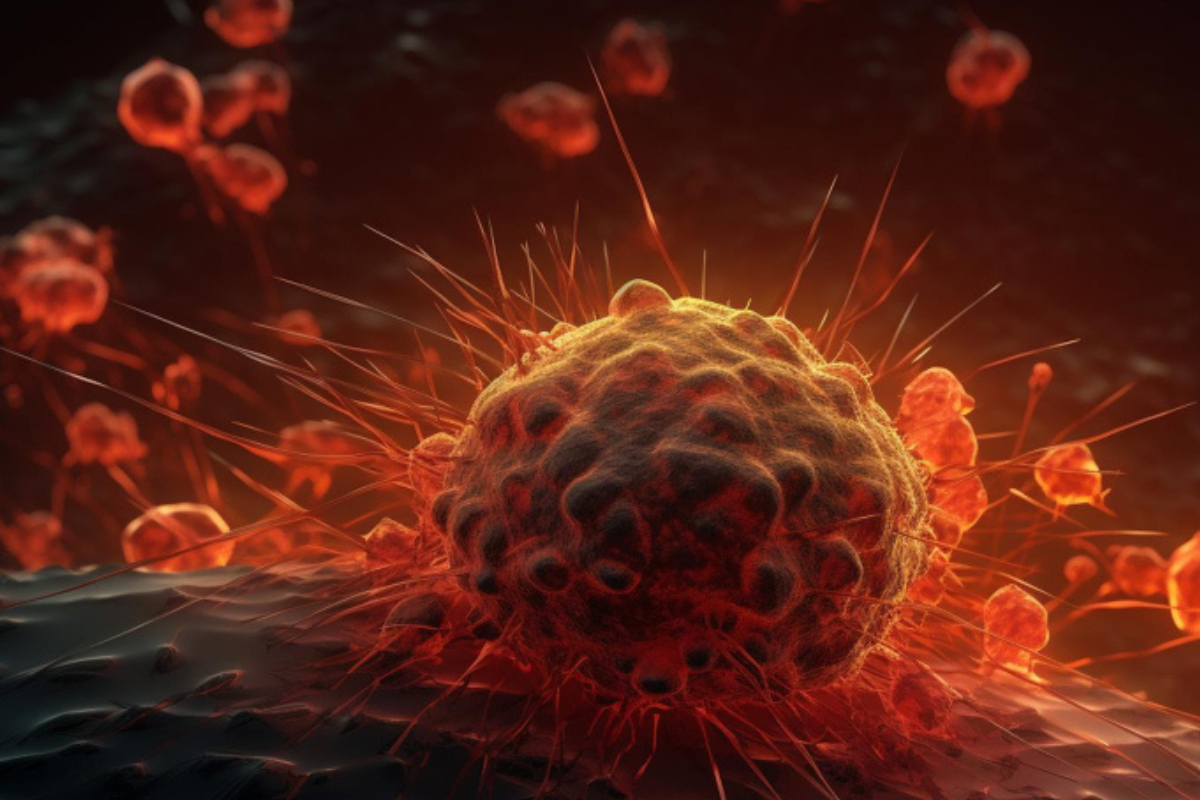
According to the World Health Organization (WHO), in 2022, there were approximately 2.5 million new cases of lung cancer globally, which accounted for 12.4% of all newly diagnosed cancer cases. Lung cancer continues to be one of the most common and deadly malignancies worldwide, with significant contributions to global cancer morbidity and mortality rates.
The global burden of cancer is projected to increase significantly, with more than 35 million new cases anticipated by 2050. Lung cancer remains the most common cancer worldwide, being the leading cancer in men and the second most common in women. Recent estimates indicate that approximately 53.5 million people ...